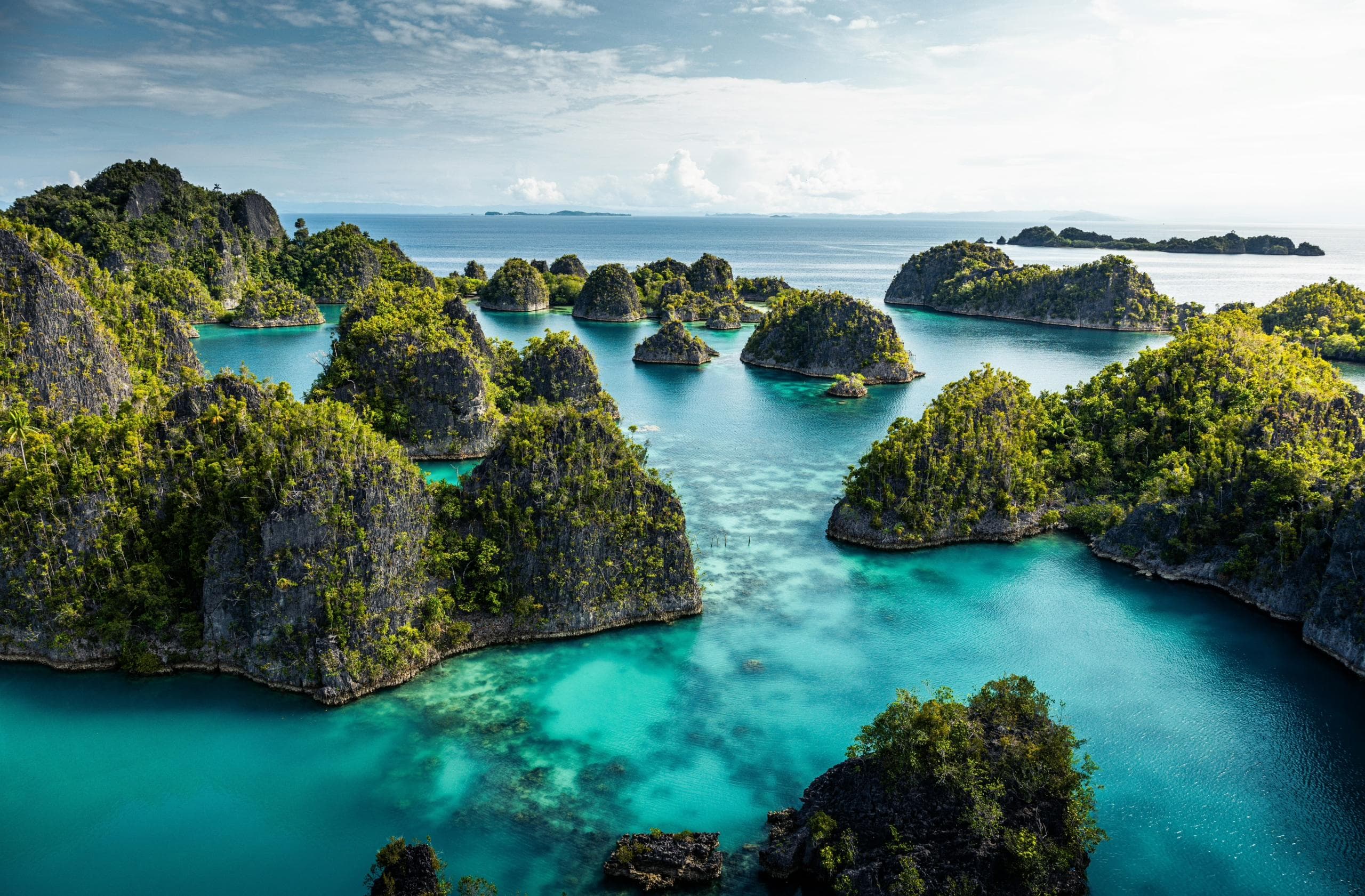
Vietnam’s coastal wellness scene has matured from a supporting feature of beach resorts into a destination in its own right. The retreats that have opened along the stretches of coast between Đà Nẵng and Phan Thiết in the past decade draw on two converging traditions: the French hydrotherapy and balneological approach that left its mark in the spa architecture of the hill stations, and the older Vietnamese tradition of herbal medicine, cupping, and therapeutic massage inherited from Chinese influence and adapted over centuries of practice.
What Distinguishes the Best Programmes
The most coherent retreat programmes are built around a consultation that precedes every treatment — an assessment of constitutional type, sleep quality, and stress markers that is drawn from traditional Vietnamese medicine rather than a Western diagnostic model. The result is a programme in which treatments are sequenced rather than selected à la carte, and the cumulative effect of three or five nights differs meaningfully from the sum of its parts.
Several properties along the Lăng Cô Bay coastline have built their wellness offering around the natural hot springs that feed from beneath the Hải Vân Pass — mineral waters with documented therapeutic properties that Vietnamese families have sought out for centuries. The combination of mineral bathing in the morning, forest walking in the afternoon, and Vietnamese herbal steam in the evening produces a rhythm that is genuinely restorative rather than merely pleasant.