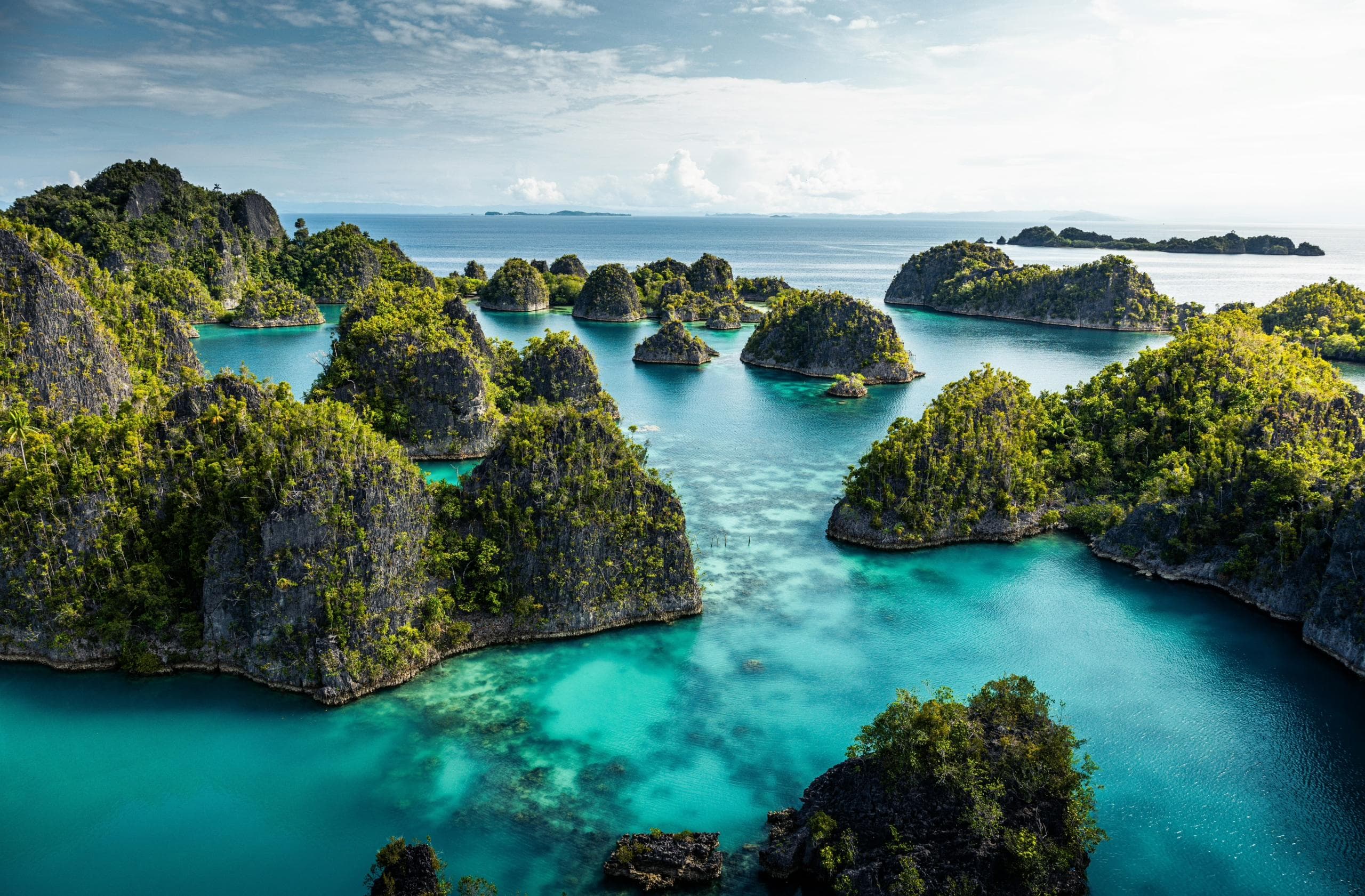
Most visitors to Côn Đảo — Vietnam’s island penal colony turned wildlife refuge — arrive for the turtles and the coral and depart having seen little of the island’s forested interior. This is understandable: the beaches are exceptional. But the hills above Côn Sơn town, covered in primary rainforest and interlaced with trails built by the prison administration, contain an ecological richness that rivals anything the coast can offer.
The Forest and What Lives In It
Black-shanked doucs — one of the world’s most vividly coloured primates — move through the canopy above the trail to Sở Rẫy in groups that a patient observer can track for an hour without them retreating. The birds are equally spectacular: Côn Đảo’s isolation has produced endemic subspecies found nowhere else on earth, and the dawn chorus in the forest above town is among the finest in Southeast Asia.
The island’s dark history — 200,000 political prisoners held here across a century of colonial and wartime detention — is honestly documented at the museums near the old French prison. Visiting these sites alongside the natural world creates a moral complexity that most beach holidays successfully avoid, and which makes Côn Đảo an experience rather than merely a destination.